

Tea Tasting at Home: How to Compare Teas from Different Regions
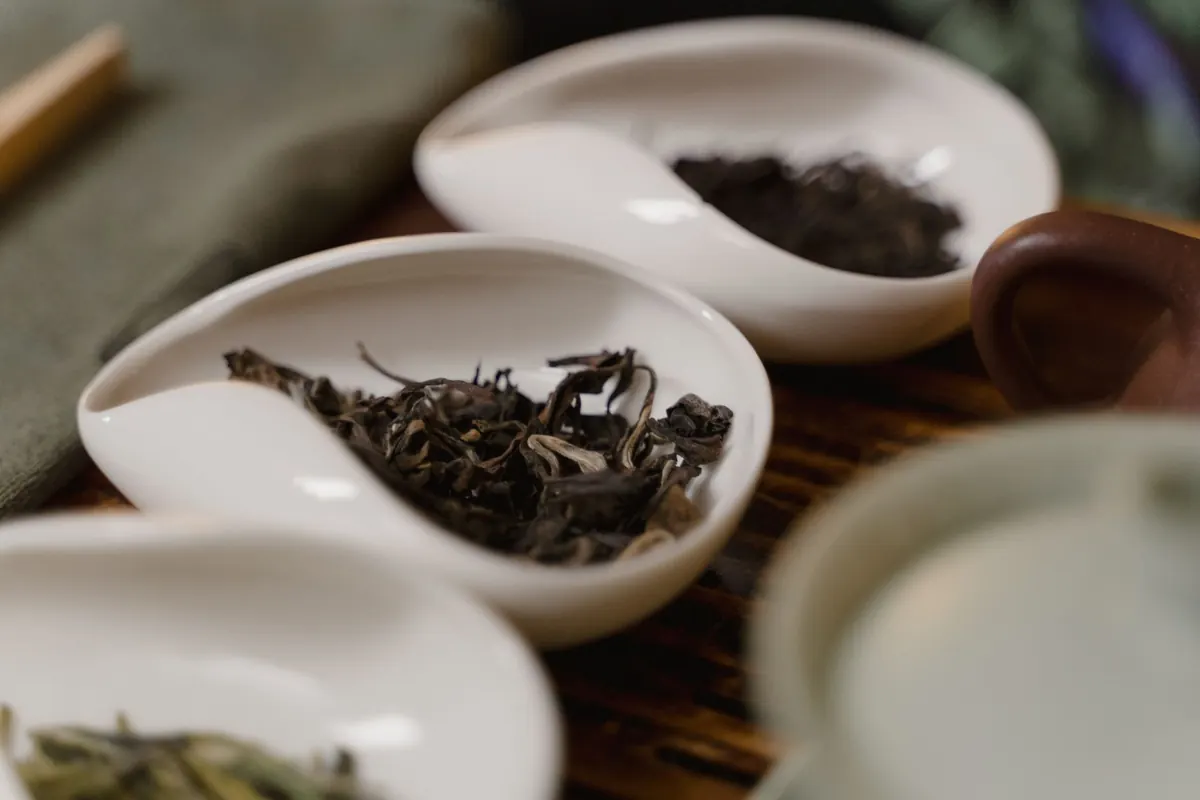
A Darjeeling, an Assam, and a Yunnan black, brewed in the same pot, in the same minute, taste like three different drinks. One is brisk and floral, one is heavy and malty, one is sweet with a faint peppery edge. That isn't imagination. It's region, cultivar, and processing showing up in the cup, and the quickest way to notice it is to taste two or three teas side by side.
Why Side-by-Side Beats One Cup at a Time
Tasting a single tea in isolation, you can describe it. Tasting two together, you can locate it. Human taste memory is short and easily swayed, and a tea that seems delicate on its own can taste thin next to a richer one. Comparison gives you a reference point, and reference points are what turn "this is nice" into "this is brisk and citrusy, and I prefer the sweeter one."
It also removes pressure. There is no score to give and no expert to imitate. You are just drinking two cups and paying attention.
Pick a Fair Comparison
The trick is to change one thing at a time. Keep the category the same and change the region. Otherwise you end up comparing leaf size or roast level instead of place, which is still interesting but a different lesson.
- Black teas: a Darjeeling (India), a Ceylon (Sri Lanka), and a Keemun or Yunnan (China).
- Green teas: a Japanese sencha, a Chinese Longjing, and a Korean nokcha.
- Oolongs: a Taiwanese high-mountain oolong, a Fujian Tie Guan Yin, and a Wuyi rock oolong.
- Everyday comparison: two teas you already own, from different countries, no matter the type.
Try to keep leaf grade roughly similar too. A broken-leaf Assam against a whole-leaf Darjeeling mostly tells you that broken leaves brew faster and stronger. Save that comparison for when you want to learn about leaf size on purpose.
Set Up a Station That Fits on One Tray
You don't need much, and everything here is probably already in your kitchen. A small brewing vessel, somewhere between 100 and 150 ml, keeps each steep manageable. A gram scale matters more than any fancy pot, because "one spoonful" varies wildly between a fluffy white tea and a dense rolled oolong.
The short gear list
- Small gaiwan or teapot, plus two or three identical small cups, white inside so you can judge color.
- Kitchen scale that reads single grams.
- Kettle with temperature control, or a simple thermometer.
- Timer, notebook, and a pen.
- Plain water and a few crackers to reset your palate between samples.
Rinse your teaware with hot water only. Soap residue flattens aroma, and once you start comparing, you'll notice it.
Water deserves a sentence of its own. Filtered water that isn't heavily mineralized gives tea a rounder, clearer taste, while very hard water can mute the top notes. Don't keep reboiling the same water either; fresh water each round tastes brighter.
Brew Every Sample the Same Way
Consistency is the whole method. Use the same leaf-to-water ratio, the same temperature, and the same steep time for each tea, then note what happens. A reasonable starting point is 3 grams of leaf per 150 ml of water, or about 5 grams per 100 ml if you prefer gongfu-style short steeps.
For temperatures: greens around 80°C for two minutes, oolongs around 90–95°C for two to three minutes, and black teas near boiling for three minutes. If one tea comes out bitter, that's information. Write it down, finish the comparison, and run a second round with a shorter steep to see whether the character underneath changes.
A tasting sequence that works
- Smell the dry leaf in each cup before brewing.
- Brew, then smell the wet leaf — this is often the most vivid moment.
- Look at the liquor: pale gold, amber, or deep red tells you something before you sip.
- Sip warm and slurp a little air across your tongue to spread the tea.
- Swallow and wait ten seconds. Note the aftertaste and where it sits.
- Taste again once it has cooled. Bitterness and sweetness often swap places.
What Regional Character Looks Like
These are tendencies, not rules. Garden, season, harvest date, and processing all push things around, and two Darjeelings from different flushes can taste further apart than a Darjeeling and a Ceylon. Still, once you've tasted a few, certain patterns show up again and again.
- Japanese greens: umami, a marine or grassy edge, and a thick, brothy body.
- Chinese greens: chestnut, toasted rice, mellow sweetness, lighter texture.
- Taiwanese oolongs: creamy and buttery, floral, with a long sweet finish.
- Wuyi rock oolongs: mineral, roasted, dark stone fruit, a dry finish.
- Darjeeling: floral, muscatel, brisk, with a mouth-drying tail.
- Ceylon: bright citrus and crispness, especially from higher elevations.
- Yunnan black: sweet potato and honey, malty, sometimes faintly peppery.
Compare within a category, not across it. A green tea beside a roasted oolong teaches you about processing. Two black teas from different regions teach you about place.
Keep Notes You'll Actually Reread
Write down the tea name, origin, water temperature, leaf amount, and steep time, then four plain lines: aroma, taste, texture, finish. Skip the poetry at first. "Smells like warm hay," "dries the sides of my tongue," "sweet finish that fades fast" — that kind of note is worth more than a paragraph of adjectives you won't understand in six months.
Add one final line: would you buy it again? That single question turns a pleasant afternoon into a real preference, and after a few sessions you'll have a short list of regions you genuinely love.
Make It a Small Weekly Habit
Two teas, once a week, is plenty. Keep three or four favorites as your baselines and bring in something new from a different country each time. Over a season you'll have tasted your way across several regions without leaving the kitchen, and you'll know exactly which cup you want to reach for.
One practical note: tea contains caffeine, so if you're sensitive to it, taste earlier in the day or keep the pours small. A tasting is about small sips, not full mugs, and the palate stays sharper that way.
Photo: Tima Miroshnichenko / Pexels